The 99p Marketing Audit: What a Pound Coin Can Teach You About Every Penny You Spend
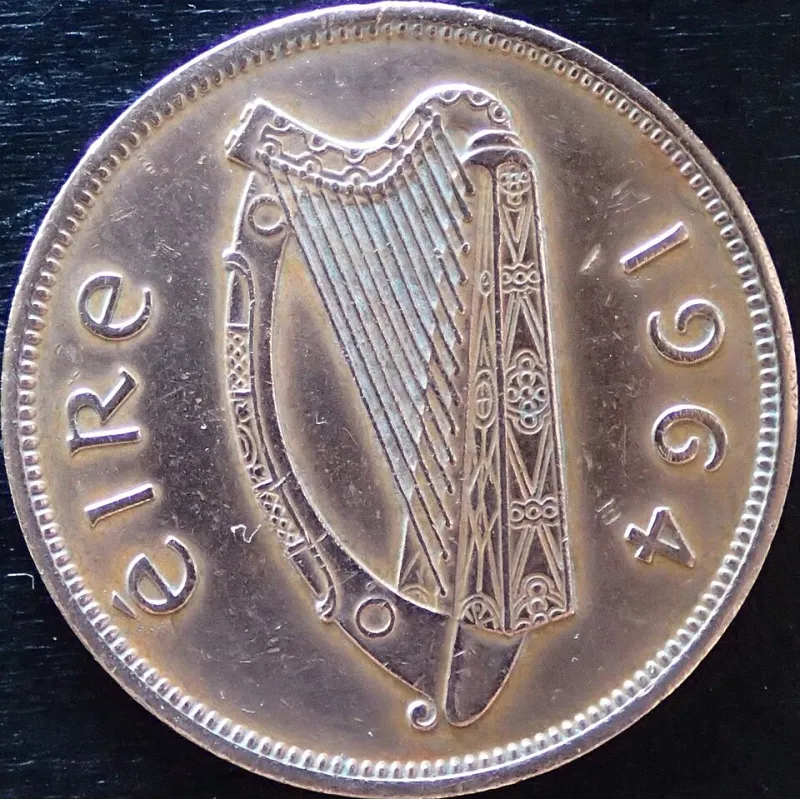
Photo: Robbie Sproule from Montreal, Canada, CC BY 2.0, via Wikimedia Commons
Here's a thought experiment that costs you nothing but might save you hundreds: take a pound coin out of your pocket and look at it properly. That's a hundred pennies. Once they're gone, they're gone. No top-ups, no overdraft, no 'we'll revisit the budget next quarter.'
That's exactly how your marketing budget should feel. Finite. Physical. Accountable for every single penny.
So let's run an audit. Below, we're going to spend a symbolic 99 pennies across a typical small business marketing mix — and I'd wager you'll spot at least one leak you've been ignoring.
The Rules of the Coin
Before we spend anything, three ground rules.
First, every tactic must justify its pennies out loud. If you can't explain in one sentence why a line item deserves even a single penny, it doesn't get one. 'We've always done it' is not a reason. 'The agency said we needed it' is definitely not a reason.
Second, pennies are compared on return, not on vibes. A flyer that brings in four customers beats a sponsored post that brings in none, regardless of which one feels more 'modern'.
Third — and this is the big one — the total is capped at 99. Not 110, not 'let's just see how it goes'. If something new goes in, something comes out.
Spending the 99: A Typical Small Business Split
Let's take a fictional but familiar business: a two-person operation selling handmade furniture, turning over decent money but wondering why marketing feels like pouring water into a sieve.
Website and digital presence: 25 pennies. Fair enough. People will look you up before they buy. But be honest — 25p doesn't mean a £4,000 bespoke build. It means a clean, functional site, fast loading, clear prices, and a phone number people can actually find.
Search and online visibility: 15 pennies. A modest spend on being findable when someone searches 'handmade oak table Yorkshire'. Not a national bidding war against furniture giants.
Print: 12 pennies. Yes, print. A well-designed flyer for local garden centres and a stack of business cards that don't look like they came free with a printer cartridge. Print works brilliantly for a business with a physical, local product — and it's cheap to test.
Design and brand consistency: 10 pennies. One decent logo, two fonts, a colour palette, done. Not a rebrand every eighteen months because someone got bored.
Email: 8 pennies. The highest-returning channel in most studies, routinely the most neglected. A monthly newsletter with genuinely useful content — how to care for oak, why wood moves in British weather — costs pennies and compounds.
Social media: 8 pennies. Two platforms done properly, not five done badly. Photos of the workshop beat stock images every time.
Events and community: 8 pennies. A stall at a craft fair. Sponsorship of a local junior football team's kit (£50, your logo on ten kids' chests, and every parent photographing Saturday mornings).
Photography and content: 6 pennies. One afternoon with a decent phone and good natural light. Your products are beautiful; your website currently features one blurry thumbnail.
Contingency: 7 pennies. Because something always comes up, and a budget without flex gets broken by February.
Total: 99.
Where the Pennies Actually Leak
Now the uncomfortable part. When we run this exercise with real businesses, the same leaks appear again and again.
The platform nobody checks. You're paying for a listing, a tool, or a subscription that hasn't been opened since spring. That's 3–5 pennies gone before you've spent anything on purpose.
The logo refresh that wasn't needed. Businesses spend a fortune on identity changes when the actual problem is that nobody knows they exist. A new logo won't fix obscurity.
Boosted posts with no aim. 'We boosted it a bit' is not strategy. If you can't say what a successful result looks like — an enquiry, a booking, a sale — you're not marketing, you're donating to Meta.
The everything-at-once trap. Spreading 99 pennies across fifteen channels means each one gets six pennies, which is nowhere near enough to tell if any of them work. Concentrate. Prove. Then expand.
Run It Yourself This Week
Grab a pen and list every marketing expense from the last three months — every subscription, every ad, every print run, every 'quick boost'. Convert each into pennies out of your 99.
Then ask one question per line item: if I had to defend this penny to a sceptical customer, could I?
Anything that survives, keep. Anything that makes you hesitate — that hesitation is your leak. Cancel it, reclaim the pennies, and put them somewhere you can actually point at the result.
A pound coin doesn't negotiate, and it doesn't do 'we'll sort it later'. That's precisely what makes it such a good teacher.