The Jumble Sale Economics of 'Fill a Bag for a Quid': Why Bundles Beat Discounts
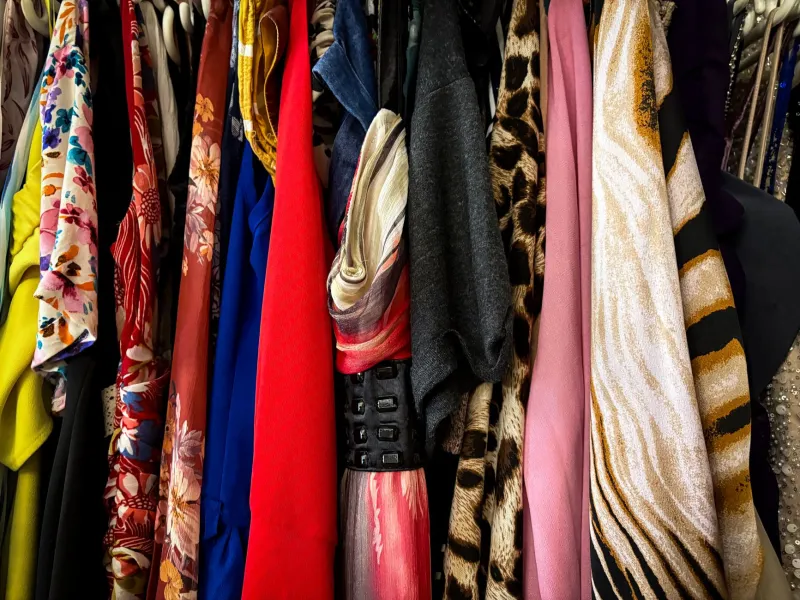
There's a moment every Saturday morning, somewhere between the rail of donated cardigans and the tumbled stack of paperbacks, when a shopper at a charity shop stops thinking like a shopper and starts thinking like a treasure hunter.
'Fill a bag for £1,' says the handwritten sign. And off they go, hunting through fabric with the focus of an archaeologist.
Now here's the clever bit. If that same shop had put up a sign saying '70% off everything', the average spend would be lower. Considerably lower. The bundle mechanic — the bag, the box, the fill-it-yourself offer — consistently gets people to part with more money than a straight discount ever could, and it costs nothing to run.
Small businesses should be paying attention, because this trick translates beautifully beyond second-hand jumpers.
The Psychology of the Full Bag
A discount is a calculation. A bundle is a game.
When you tell someone an item costs £5 instead of £10, their brain does quick arithmetic and decides whether it's worth it. It's a yes-or-no question. But when you say 'fill a bag for a fiver', the question changes entirely. It becomes 'how much can I get?' — and that's a question with no natural ceiling.
Charity shops figured this out decades ago, partly out of necessity. Sorting individual donated items is labour they can't afford. So they shifted the decision from 'is this item worth £1?' to 'is a full bag worth £2?' — and the customer does all the work. They dig, they choose, they commit. By the time they reach the till, they've invested effort, and effort creates ownership.
Behavioural economists call this the 'sunk cost of participation'. Shoppers call it a bargain hunt. Either way, the result is the same: people walk out having spent more than they planned, feeling like winners rather than victims of a sales pitch.
Why Discounts Make You Look Desperate
There's a second problem with the sale sign, and it's one every small business should take seriously.
A '50% OFF' banner screams that your original prices were inflated. It trains customers to wait for the next sale, devalues your stock, and — worst of all — attracts the kind of shopper who will vanish the moment the discount does.
The bundle does none of this. Nobody walks out of a charity shop thinking the cardigans have lost their dignity. The bag price is simply the price. Your regular items keep their value; the bundle sits alongside as a separate, playful offer.
That distinction matters enormously if you're a small business trying to compete on personality rather than price. Which, on a 99p budget, you almost certainly are.
How to Bag It Up in Your Own Business
You don't need a rail of jumpers to make this work. The 'fill a bag' mechanic is really just a frame, and it snaps onto all sorts of small business offers.
Service bundles. A cleaner could offer 'two hours, fill it with tasks' rather than itemised rates for ironing, ovens and skirting boards. Clients will pack that time fuller than they'd ever admit — and feel delighted doing it.
Product boxes. A farm shop or market stall might run a 'fill a crate for £10' on wonky veg or end-of-day bakeware. The customer curates their own haul, which means they've already sold it to themselves.
Social media packages. If you sell content or design, try 'a month of posts in one bundle' rather than per-post pricing. Clients who've committed to a bundle consume more, engage more, and stay longer.
Gift offers. Around Christmas, a 'fill a hamper' deal at a local deli or garden centre turns shopping into an activity — and activities get shared on social media for free.
Notice what's happening in every case: the customer becomes a participant, not a target. They're doing the picking, the packing, the deciding. You've outsourced the selling to the buyer.
The Rules of a Good Bundle
A word of caution before you grab the marker pen, because bundles can go wrong.
First, keep the price simple. Round numbers. One bag, one price, no asterisks. The moment you add conditions, the treasure hunt collapses into a terms-and-conditions slog.
Second, cap the risk. If you're a service business, define the bundle clearly — 'up to two hours', 'one crate', 'five items' — so enthusiasm doesn't bankrupt you.
Third, make it feel finite. Charity shops run bag offers on slow stock or quiet days. Scarcity, even gentle scarcity, is part of the fun.
And finally, don't overthink the profit margin on the bundle itself. The bag offer isn't really about the margin on those items. It's about footfall, goodwill, word of mouth, and the customers who come in for a £1 bag and leave with a £12 coat off the main rail. Ask any charity shop volunteer what else people buy on bag days. The answer is: quite a lot.
The Cheapest Campaign You'll Ever Run
Here's the thing that makes this trick so fitting for a site like this one: it requires no budget whatsoever. A marker pen, a cardboard sign, a bit of nerve.
The big brands will keep buying billboards and bidding on keywords. Meanwhile, up and down the country, charity shops are running one of the most effective pricing mechanics in retail for the price of a roll of tape.
So next time you're tempted to slash prices and stick a SALE sign in the window, ask yourself a different question: what would happen if, instead of discounting, you let people fill a bag?
The answer, more often than not, is a fuller till — and a customer who feels like they've won something. Which, when your marketing budget wouldn't cover a round of drinks, is about as good as it gets.