£3.40 and No Decisions: What the Tesco Meal Deal Teaches Small Businesses About Pricing
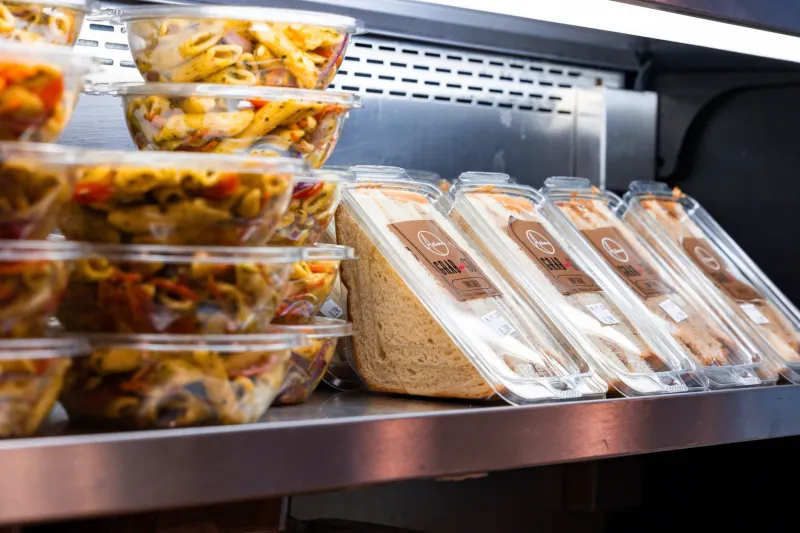
Somewhere between 12pm and 2pm on any given weekday, roughly three million Britons walk into a Tesco, a Boots or a Sainsbury's Local, pick up a sandwich, a snack and a drink, and hand over exactly £3.40. No browsing. No agonising. No mental arithmetic at the till.
That's not lunch. That's one of the most sophisticated pricing machines in British retail — and it's been quietly running for years while the rest of us argue about whether to knock 10% off on Instagram.
If you run a café in Leeds, a salon in Cardiff or a plumbing round in Peterborough, there's a lesson in that meal deal box. And the good news is it costs nothing to copy.
The Genius of the Fixed Figure
Let's be honest about what the meal deal actually does. It doesn't discount. That £3.40 isn't a sale — it's a permanent, predictable promise. The components inside might be worth £4.85 individually, but nobody's checking. The number is the product.
The psychology is beautifully simple:
- One number to remember. £3.40 lives in the nation's head. Ask anyone and they'll know it. That's brand awareness you can't buy.
- Zero decision fatigue. Three slots, hundreds of combinations, one price. The customer feels choice without feeling the cost of choosing.
- A routine, not a transaction. The meal deal isn't something people buy. It's something they do. Same time, same gesture, every day.
Now think about your own pricing. Is it a routine? Or is it a quote, an invoice, a small negotiation every single time someone walks through the door?
Build Your Own Meal Deal
You don't need a supply chain or a meal deal marketing budget. You need a bundle, a single memorable price, and the discipline to keep it fixed.
The café version: instead of charging £3.20 for a sandwich, £2.10 for a coffee and £1.30 for cake separately, put a laminated card in the window: Lunch Deal — £5. Any sandwich, any hot drink, a slice of cake. One number. Regulars stop reading the board; they just say "the usual deal, please."
The salon version: a wash, cut and blow-dry priced as one figure — say £35 — rather than a menu of add-ons that makes people nervous. The client knows exactly what Friday's appointment costs before they've booked it. Bookings go up. Haggling disappears.
The tradesperson version: a fixed-price boiler service at £79, or a "call-out and one hour's labour for £89" package. Every job has a memorable anchor. You become the plumber with the number, not the plumber with the hourly rate nobody can guess.
In each case, the bundle does something clever: it hides the individual margins behind a headline figure people can hold onto.
Bundle High, Never Discount Low
Here's the crucial bit, and it's where small businesses get it wrong. The meal deal effect works because the core products never get cheaper. Nobody's asking Tesco to drop the price of a single sandwich — the deal is the deal.
So resist the reflex to shout "20% off!" into the void. Discounts train customers to wait. Bundles train customers to spend.
If you want to offer value, add things to the bundle rather than subtracting from the price. A coffee shop bundles a free refill into the lunch deal. A hairdresser throws in a treatment with the cut-and-blow package. A decorator prices "a room, any colour, £250" instead of trimming hourly rates. The customer perceives generosity; you protect your margins.
Make the Number Do the Marketing
There's a final trick, and it's the cheapest one of all. A fixed, memorable price is itself an advert. "Boiler service, £79, done by Friday" fits on a van door, a fridge magnet, a Facebook post and a flyer — and it needs no explanation.
Compare that to the usual small business ad: a list of services, a "prices on request" sign-off, and a phone number nobody dials because they're afraid of the answer.
Pick your number. Round it or give it just enough oddness to be remembered — £3.40 works precisely because it isn't £3.50. Print it everywhere. Say it the same way every time.
Three million people a day don't buy a meal deal because it's cheap. They buy it because it's easy, it's certain, and everyone knows the price. Give your customers that same gift — one bundle, one number, no fuss — and you'll have stolen the best pricing strategy in Britain for the cost of a laminated card.