What the Charity Shop on Your High Street Knows About Marketing That You Don't
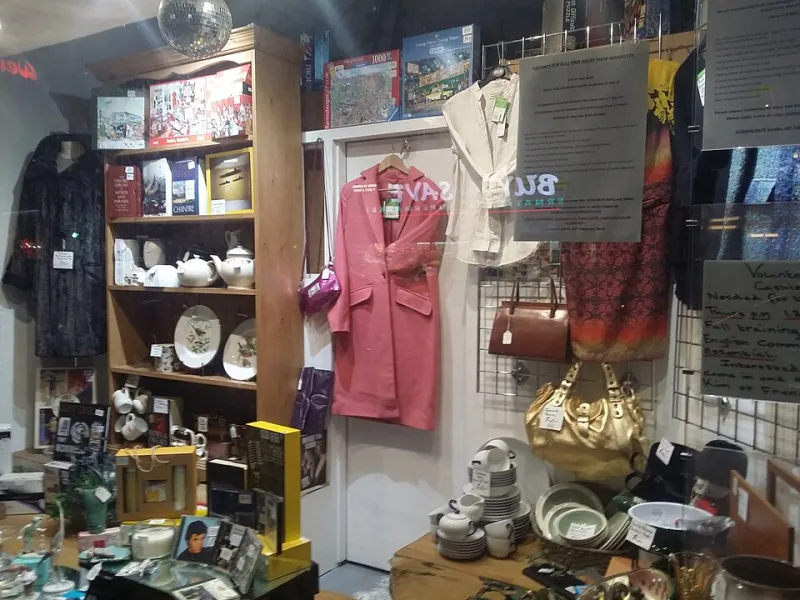
Photo: David Howard , CC BY-SA 2.0, via Wikimedia Commons
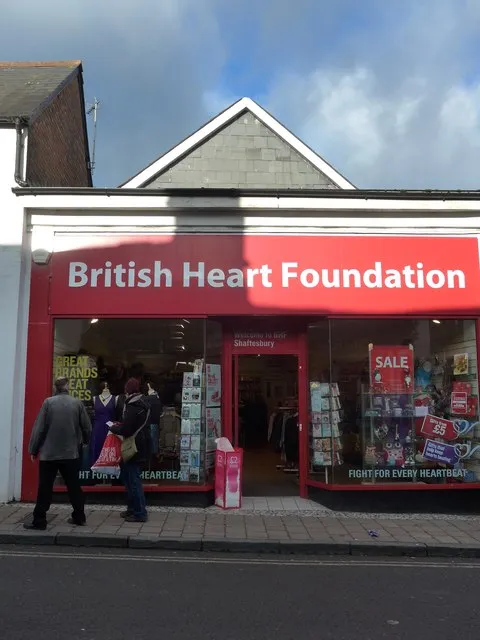
Walk down any British high street and you'll pass two kinds of shop window. One belongs to a chain, with professionally printed posters and a window display that hasn't changed since February. The other belongs to a charity shop, and it's completely different this morning than it was last Tuesday.
Guess which one gets more people through the door.
We spend a lot of time on this site celebrating marketing that costs pennies, but the humble charity shop — Oxfam, Barnardo's, your local hospice's three-shop empire — might be the most underrated marketing operation in the country. No ad budget. No agency. Often no paid staff at all. And yet they've quietly mastered techniques that small businesses pay good money to learn.
Scarcity, But the Genuine Kind
The charity shop's entire business model runs on the fact that nothing can be reordered. Once that vintage Denby dinner set is gone, it's gone. This isn't manufactured urgency — no countdown timers, no fake 'only 2 left!' pop-ups. It's real, and shoppers know it, which is exactly why it works.
Compare that to the desperate scarcity tactics littering e-commerce sites, which customers have learned to ignore because they smell of nonsense. The lesson isn't 'fake scarcity' — it's that genuine limitation is a story worth telling. If you're a baker who makes forty loaves a day, say so. If you only take on five clients a month, put it on your website. Real limits build trust while they build urgency.
The 'New In Today' Chalkboard
Every good charity shop has one: a chalkboard or handwritten sign announcing today's arrivals. It's a promise that the shop you visited last week is not the shop you're walking into now.
This costs nothing — a bit of chalk and thirty seconds — and it does something remarkable: it gives people a reason to return. Regular visits are the holy grail of retail, and most small businesses never ask for them. A café can chalk up today's bake. A hardware shop can flag this week's delivery. A bookshop can note what just landed. The medium matters too — a handwritten sign feels human and current in a way a printed 'New Stock' poster never does.
Price Tags That Tell Stories
The best charity shops don't just price things; they explain them. A handwritten tag reading '1970s Pyrex — donated by a local collector' transforms a £6 jug into a conversation piece. Some hospice shops have volunteers who research donations, so the tag on a jacket might mention the era or the brand's history.
That's content marketing, delivered on a luggage label. Small businesses are forever being told they need a blog and a newsletter, but the cheapest content you'll ever produce is the story attached to the product itself. Where's it from? Who made it? Why did you stock it? Print it on the tag, the menu, the shelf edge. Stories sell, and unlike ad space, they're free forever.
Rotation Is the Whole Job
Chain shops rotate displays seasonally, maybe quarterly. Charity shops rotate daily, because stock arrives unpredictably and volunteers move it constantly. The result is a shop that rewards frequent visits — the same psychological trick that keeps people checking back on a social feed, except it's happening in person, on your actual high street.
If your shop or website looks the same as it did last month, you're training customers to stop looking. Move the window. Shuffle the homepage. Feature something different each week. None of this costs money; it costs attention, which is the one resource you definitely already own.
Volunteers Do the Marketing For You
Here's the subtle one. Charity shops run on people who genuinely care, and that shows in every interaction. A volunteer who's delighted about a donation is doing more persuasive selling than any scripted pitch. Customers feel it, mention it, come back for it.
Small business owners sometimes apologise for being small, or try to sound bigger than they are. The charity shop model suggests the opposite: lean into being the place where the person behind the till actually gives a toss. That's your competitive advantage over the chains, and it doesn't cost a penny more than you're already spending.
The 99p Takeaway
None of this requires budget. It requires noticing — the same thing charity shops have done for decades out of sheer necessity. Write today's arrivals on a board. Put a story on a price tag. Change something in your window this week and see who mentions it.
The chains have the money. You've got the chalk.