Remembering Your Order: The Free Marketing Trick Every Corner Shop Knew Before Facebook Did
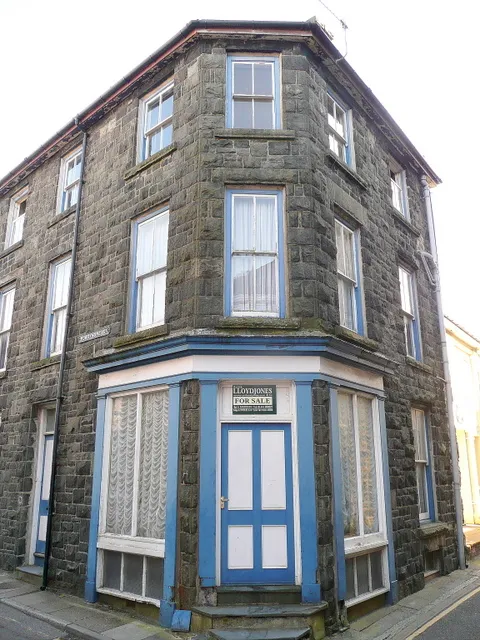
Photo: Jonathan Billinger, CC BY-SA 2.0, via Wikimedia Commons
There's a particular kind of magic in being known. Walk into a shop and hear 'the usual?' before you've opened your mouth, and something in your brain quietly files that shop under good people. No loyalty card. No app. No push notification asking how your experience was.
Just a human being who remembered.
We've spent the last decade being told that customer retention is a science — CRM systems, segmented email lists, retargeting pixels. All of it useful, some of it worth the money. But the core of it, the bit that actually makes people come back, was perfected decades ago in shops the size of your garage. And the best part? It cost the shopkeeper nothing but attention.
The Credit Tab Was Trust Marketing
Every proper corner shop had one: a little notebook, or a biscuit tin, or just a page behind the till with names and sums scribbled next to them. "Pay Friday," it might say. And Friday after Friday, people did.
Think about what that tab actually was. The shopkeeper was, in effect, extending a tiny, informal loan to every regular on the street. That's a bigger act of faith than most modern businesses will show a customer who's been with them for years. And it worked both ways — you didn't do a runner on Mrs Shah at the off licence, because Mrs Shah knew your nan.
Modern translation: trust is a two-way investment. Small gestures that say "we'll look after you and sort the details out later" — a free small fix, a flexible payment, a bit of slack when someone's struggling — buy a loyalty no discount code can match.
The Free Biscuit With the Paper
You didn't ask for it. You didn't earn it. You bought your paper and a packet of Polos, and there it was — a little chocolate biscuit chucked in the bag with a nod.
Cost to the shopkeeper: about 3p. Value to the customer: enormous. People talked about that biscuit. "He always gives you a bit of something, that shop." It turned a transaction into a relationship, and it turned customers into walking, talking adverts.
This is the single cheapest marketing move available to any small business today, and it's criminally underused. The web designer who throws in a free month of tweaks. The cafe that remembers you take your coffee without asking. The plumber who leaves a door hanger for next time. Small, unexpected, personal. That's the biscuit.
Memory Is the Product
Here's the thing about the old corner shop model: the stock was largely the same as the shop two streets over. Same bread. Same milk. Same fags and same tinned tomatoes. The only differentiator was the person behind the counter and what they knew about you.
That's still true, and it's even more true online, where every shop looks like every other shop. Your product can be copied by lunchtime. Your warmth can't.
And remembering things — a customer's name, their kid's football final, the fact they had a big presentation last week — costs nothing. It just requires you to actually pay attention, which is arguably the scarcest resource in modern business.
How to Steal This on a Budget
You don't need a CRM subscription to run the corner shop playbook. You need a system, even a scrappy one:
- Keep your own biscuit tin. A simple spreadsheet or notebook with customer names and one personal detail each. Their dog's name. Their deadline. Whatever comes up naturally.
- Do one small unexpected thing per customer. Not a discount — a gesture. Something that takes you thirty seconds and makes their day 2% better.
- Extend a little trust. Let a good regular pay later once. Fix the small thing for free. Assume the best and usually you'll be right.
- Say "the usual." Track what people buy and use it. Nothing makes a customer feel like a regular faster than being treated like one.
None of that shows up on an invoice. All of it shows up in repeat business.
The Only Tool That Never Depreciates
Algorithms change. Platforms rise and fall. Ad costs only go one direction. But remembering someone's order has worked since the first market stall opened and it'll work long after whatever app you're currently stressing about has been consigned to the digital skip.
The corner shop didn't have a marketing budget, so it made itself the marketing. That's the whole game, really — and it's one every small business, however small, can still play today.
Cost of entry: nothing. Return on investment: the kind you can't buy.
Right — who's putting the kettle on?