You're Already Paying Rent on Your Best Billboard
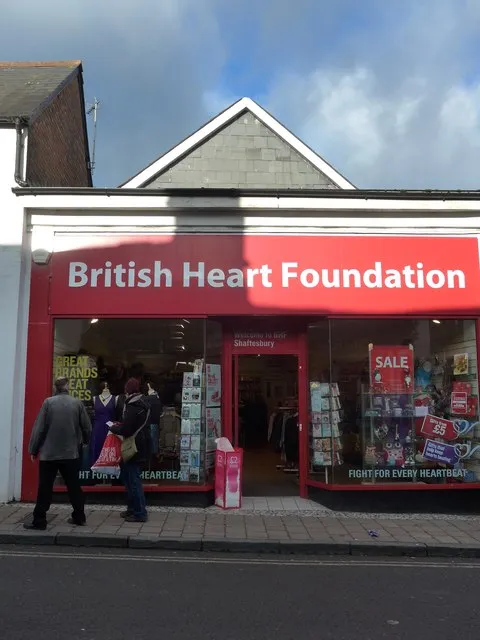
Photo: Basher Eyre , CC BY-SA 2.0, via Wikimedia Commons
There's a peculiar thing that happens on most British high streets. A shopkeeper will happily spend £200 a month on Facebook ads that three people scroll past, then leave the same dusty window display up from last February. Meanwhile, hundreds of actual human beings — with wallets, legs and pulses — walk directly past their front door every single day.
That window isn't just glass. It's the cheapest advertising space you will ever own, because you're already paying for it. The rent covers it. The business rates cover it. All it needs is a bit of thought and, at most, a tenner's worth of materials.
Here's how the savviest shops in Britain turn their premises into their hardest-working employee.
The Chalkboard Still Outperforms Your Ad Budget
Walk down any thriving high street — think Lark Lane in Liverpool, the Lanes in Brighton, or basically anywhere in Frome — and you'll spot the pattern immediately. The busy cafés and shops are the ones with a hand-chalked A-board out front, and the reason is simple: it changes.
A static sign becomes invisible within a fortnight. A chalkboard that says "Rainy Tuesday special — any soup + crusty roll £4.50" gets read because it's clearly written by a human, this morning, for today. It signals a living, breathing business.
A decent A-board costs £25–£40 once, and a tub of chalk pens is about a tenner. After that, it's free forever. Compare that to your last boosted post.
One rule: don't just write "OPEN". Tell people something. A price, a joke, a reason to come in now. "Hot doughnuts at 11am. You've been warned." beats "Welcome" every time.
Your Window Display Is a Shop Ad That Runs 24/7
Your window works night shifts while you sleep. Streetlights and passing headlights illuminate it for free until midnight, and unlike a social ad, it can't be skipped.
The mistake most small shops make is cramming everything in — a bit of everything at slightly different heights, looking like a jumble sale. The shops that stop traffic do the opposite:
- One theme, one message. A single product, dressed up. A wedding-dress shop with one dress, one chair, one spotlight.
- Height and depth. Raise things up on boxes (paint them, or wrap them in brown paper — very cheap, very effective). Push items close to the glass so they're readable from across the road.
- A price tag. Yes, in the window. A display with no prices is a museum. A display with prices is a shop.
- Change it monthly. Put a recurring date in your phone. First Monday of the month: window refresh.
A greengrocer in Hebden Bridge made local news a few years back for arranging produce into rainbow patterns — people came from other towns to photograph it. Cost: the vegetables they were already selling.
The Free Ad Space You're Standing On
Your floor, your door, your counter — all of it sells.
- The door decal. "Push" is a legal requirement of every British door, apparently. Add "and come in, it's warm" beneath it for £3 in vinyl from any local sign maker.
- Floor graphics pointing towards an offer at the back of the shop pull people deeper inside, past more stock.
- The till point is the highest-converting real estate you own. People are already standing there with money out. A small sign — "Add a bag of our ground coffee for £3 with any purchase" — is an upsell machine that costs nothing.
Borrow Your Neighbours' Footfall
Here's where it gets properly thrifty. Your premises aren't the only free channel — the community around you is too.
- The community noticeboard. Every library, church hall, corner shop and leisure centre in Britain has one. A well-designed A5 flyer (design it yourself on Canva's free tier, print 50 for a fiver) pinned in six locations beats a £100 ad spend in most local markets.
- Partner with the shop next door. The hairdresser recommends the café; the café recommends the bookshop. A stack of each other's flyers on the counter costs nothing and converts brilliantly, because it comes with a personal recommendation attached.
- The post-office queue, the school gate, the allotment noticeboard — hyper-local is not a buzzword, it's how villages and suburbs have always traded.
Your Building Can Talk to Passers-By Directly
A few zero-cost tricks with genuine charm:
- Write something on the pavement outside in chalk. "Yes, we're open. No, we don't mind if you just browse." Rain washes it away — which means you can write something new tomorrow.
- The staff recommendation card. A little handwritten card in the window: "Nadia's pick this week — the salted caramel brownies. She's right." People trust people, not brands.
- A reason to come in. "Free sweet for every kid" has dragged generations of parents through doorways since time immemorial. Budget it into the week — it's cheaper than a click on Google.
The One-Afternoon, Under-A-Tenner Checklist
Right. Enough theory. Here's what you can do this Saturday, mostly with stuff you already own:
- Clear the window completely. (Free.) Everything out, glass cleaned with vinegar and newspaper. You'll be shocked at the difference.
- Choose one product or offer and build the display around it. Use boxes and brown paper for height. (£2.)
- Price everything visible. (Free.)
- Chalk the A-board with today's date on it, so it's obviously fresh. (£8 for chalk pens if you don't have any.)
- Write one thing on the pavement. (Free.)
- Put a till-side offer card up. (Free — an index card will do.)
- Book your next window refresh in the phone calendar. (Free, and the habit is worth more than everything above.)
Total spend: £10 at the very most. Total reach: everyone who walks past your door for the next month, which is more than most local Facebook ads will ever manage.
The big agencies call this "out-of-home marketing" and charge handsomely for it. You call it Saturday morning and a cup of tea. That's the whole point of doing marketing on a budget — the best channels were never for sale in the first place. You've been standing inside one all along.