The Sticker Is Mightier Than the Boosted Post: Small Business Marketing That Actually Sticks

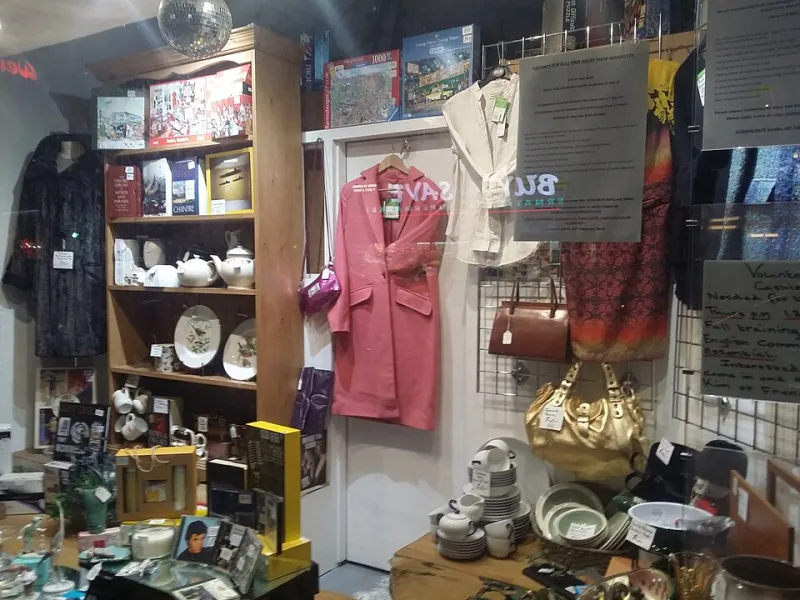
Photo: Kadı, CC BY-SA 4.0, via Wikimedia Commons
There's a moment every small business owner knows too well. You've spent £30 boosting a Facebook post, watched the likes trickle in from people three counties away, and by Friday it's all vanished into the feed like a chip wrapper in the wind.
Now compare that to the sticker. A proper, tactile, peel-off-the-back sticker. It costs pennies, it doesn't have an algorithm, and — crucially — it doesn't disappear. Somebody slaps it on a laptop, a water bottle, a garden fence, and it just stays there, quietly working for years.
Butchers Knew This Before Marketers Did
Walk down any decent high street — think Wetherby, Ludlow, or pretty much any market town with a proper greengrocer — and you'll spot it: the 'Locally Sourced' sticker on a punnet of tomatoes, or the hand-stamped label on a bag of sausages. Nobody at the butcher's calls this 'content marketing'. They call it Tuesday. But it works, because the sticker does something digital ads struggle with: it attaches the brand to a physical object the customer is about to use.
That punnet goes home. It sits on the kitchen counter. It gets discussed over tea. Your logo has now infiltrated a household for the price of roughly half a penny.
Where to Stick It (Literally)
The beauty of stickers is that placement is free real estate you already own:
- Your van. A rear window decal reading 'Follow us on Instagram @yourshop' turns every traffic jam in the retail park into an ad slot. Unlike a boosted post, it doesn't stop working when the budget does.
- Your packaging. A kraft paper bag with a branded sticker seal looks boutique. It costs about 3p more than an unsealed bag. Customers perceive it as worth at least 50p more.
- Your till point. A small 'Tag us in your photos' sticker by the card machine nudges people towards free user-generated content.
- Community spots. Fete organisers, allotment associations, youth football clubs — they all love a sponsor sticker on the noticeboard or the kit. It's goodwill and visibility in one peel.
The Numbers Are Almost Embarrassing
A roll of 500 decent vinyl stickers from a UK printer runs somewhere between £20 and £40. Even at the top end, that's 8p per impression-generating unit — and each one might be seen hundreds of times over its lifespan. Compare that to the average cost-per-click on social ads, where 8p doesn't even get you a glance.
And here's the kicker: stickers get carried. People put your brand on their laptop and take it to a co-working space in Manchester, a coffee shop in Bristol, a train to Edinburgh. You've just paid 8p for mobile advertising that no platform can throttle.
Why Low-Tech Wins on Trust
There's a psychological angle too. A boosted ad announces 'I paid to be here'. A sticker on a customer's flask says 'someone liked this enough to display it'. It's borrowed credibility — the same reason reviews work, but stickier. Literally.
The British also have a soft spot for the humble sticker. From CND symbols on student doors in the 80s to festival wristbands and 'I Voted' displays, we've long used adhesive as identity. Tapping into that instinct costs next to nothing.
A Quick Reality Check
Stickers aren't magic on their own. A badly designed one — clip art, six fonts, a phone number nobody will ring — ends up in the bin with the rest of the junk. Keep it simple: one strong logo, one clear message, one colour that matches the rest of your brand. If your branding needs sorting first, that's a job for a cheap design service before it's a job for the printer.
The Bottom Line
Digital ads rent attention. Stickers earn placement. For the price of one boosted post, you can paper your whole local patch with a brand mark that survives rain, algorithms, and the passing of trends.
So next time you're tempted to throw another £30 at the feed, ask yourself: what would the butcher do? He'd stick a sticker on it — and be quietly winning while everyone else fights over the algorithm.