The Complaint Left in Public Is a Gift: How One Grumpy Review Can Do Your Marketing For Free

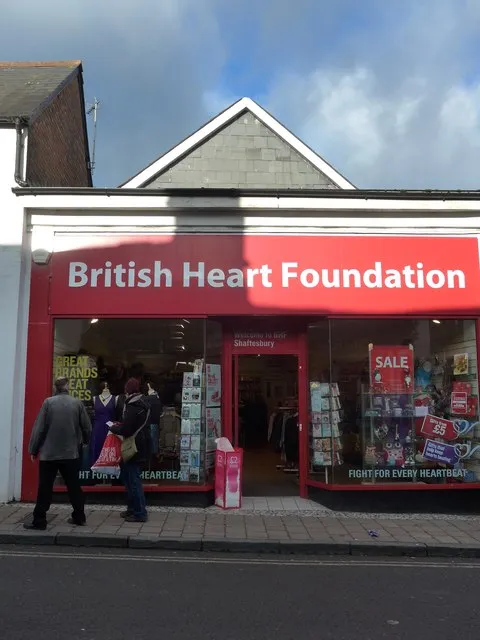
Photo: JoachimKohler-HB, CC BY-SA 4.0, via Wikimedia Commons
There's a moment every small business owner dreads. You're having a perfectly normal Tuesday, and then your phone buzzes: someone has left a one-star review. Perhaps it's Google. Perhaps TripAdvisor. Perhaps a local Facebook group where the comments section has the bite of a Magaluf holiday romance.
Your first instinct is to panic. Your second is to write something defensive. Your third is to delete the app and pretend it isn't happening.
Resist all three. Because here's the thing most business owners never quite clock: a bad review isn't really aimed at you. It's aimed at the next customer. And how you respond is aimed at them too — which means a well-handled complaint is essentially a free advert, written in the exact moment a prospective customer is deciding whether to trust you.
Why the One-Star Review Outperforms the Billboard
Think about how people actually read reviews. Nobody scrutinises a string of five-star ratings — they skim them, slightly suspicious. But a one-star review with a thoughtful, calm, human response underneath? That gets read properly, line by line.
Research from the likes of Harvard Business Review has shown that when businesses respond to negative reviews, ratings and trust go up, not down. Customers aren't daft. They know things go wrong. What they're judging is what happens next.
A potential customer reading a complaint followed by "We're really sorry — that's not the standard we hold ourselves to, please ring me directly on this number and I'll sort it personally" learns three things in ten seconds: the business makes mistakes, the business owns them, and there's a real person at the end of the phone. That's more persuasive than any paid campaign, and it costs precisely nothing.
The Pub That Turned a Moan Into a Waiting List
Consider a pattern you've probably seen play out in your own town. A pub gets slated online — cold Sunday roast, grumpy service, the works. The old playbook would be silence, or worse, a snippy reply about how the customer was rude.
The smarter pubs do something else entirely. They reply publicly, apologise without weaselly caveats, offer a free meal, then follow up a fortnight later with an update: "We've changed suppliers, retrained the kitchen, and we'd love you back." Screenshots of replies like that get shared around local Facebook groups for weeks. The complaint becomes the story; the response becomes the reputation.
The same trick works for trades. A plumber who replies to "he never turned up on the Tuesday" with "You're right, and I'm sorry — I was stuck on an emergency burst pipe, but I should have rung you. I've since changed how I manage my diary" sounds like exactly the person you want crawling under your sink. Market traders do it face to face: the stallholder who swaps a wonky plant without a fuss is the one you go back to, and the one you tell your mates about.
The Four-Step Response That Costs Nothing
When a grumpy review lands, work through this simple template:
- Thank them. Genuinely. "Thanks for taking the time to tell us" — because they did you a favour by telling you before quietly telling everyone else.
- Own it without excuses. No "we apologise for any inconvenience caused" — that's a council parking notice, not an apology. Name the specific thing that went wrong.
- Say what you're doing about it. One concrete change. This is the bit prospective customers are really reading.
- Take it offline. Offer a direct number or email so the follow-up doesn't become a public tennis match.
Keep it under about eighty words. Longer replies look rattled.
What Not to Do
A quick word on the traps. Don't argue the toss publicly — even when you're right, especially when you're right; readers side with the underdog. Don't offer a refund in the reply itself, or you'll train every reader to complain for freebies. And don't ignore it in the hope it sinks — an unanswered one-star review sits there like a damp patch on the ceiling, quietly getting worse.
One more thing: ask your happy customers to review you too. A single grumble sitting alone looks damning; the same grumble among forty glowing reviews looks like a bad Tuesday. Most satisfied customers are delighted to help — they just need asking. A little card by the till, a line in your invoice footer, a nudge in your email signature. All free.
The Cheapest Marketing You'll Ever Do
Every response you write is content. It works while you sleep, it targets people at the exact moment they're deciding whether to spend money with you, and it carries more credibility than anything you could pay for. A billboard shouts; a gracious reply to a moan whispers, and British customers trust a whisper.
So the next time that phone buzzes with a one-star, take a breath, put the kettle on, and write the best eighty words of marketing your business has ever produced. Total cost: one cup of tea.