Fifty Pence a Slice: What the Village Fete Cake Stall Knows About Pricing That Most Small Businesses Don't
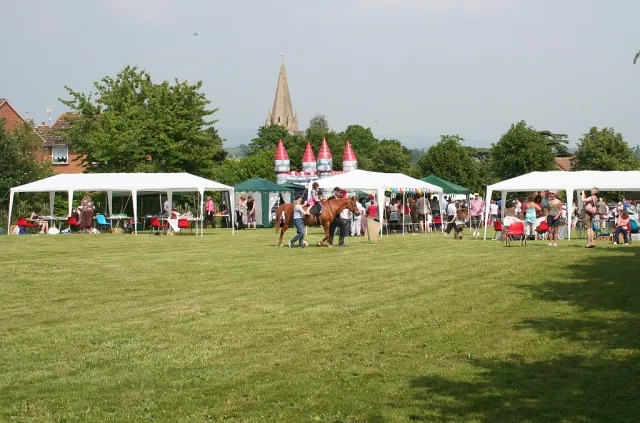
Photo: Bob Embleton, CC BY-SA 2.0, via Wikimedia Commons
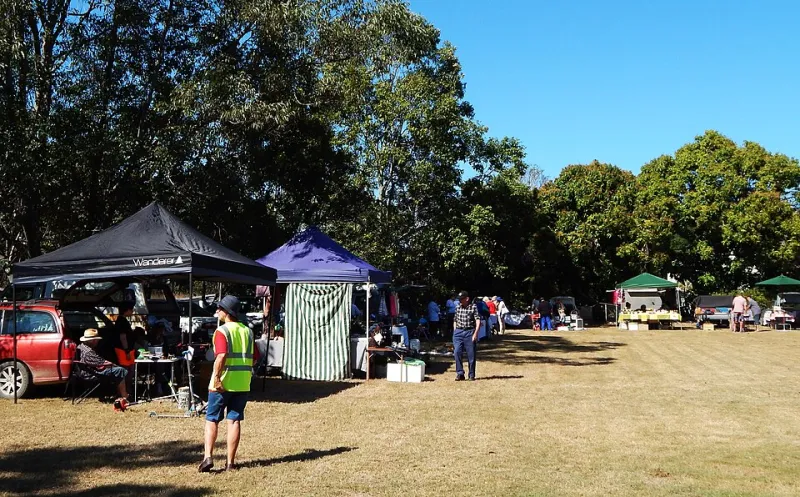
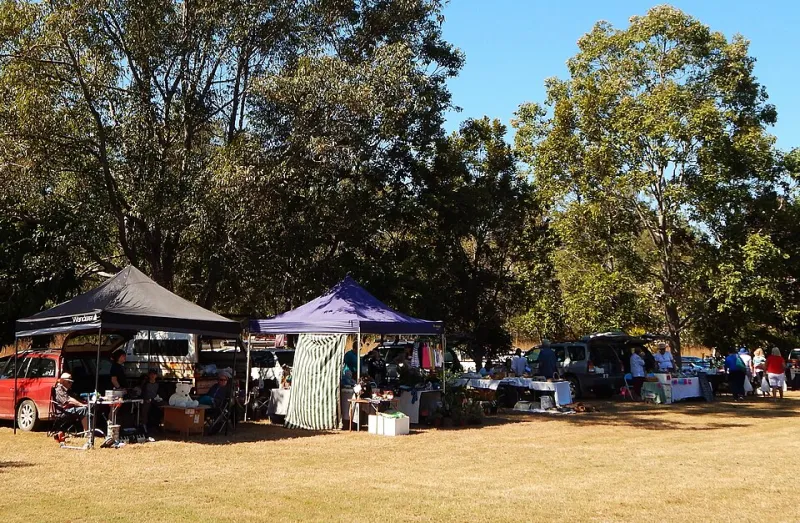
Somewhere in Britain this weekend, a folding trestle table will groan under the weight of eleven identical Victoria sponges, and a woman in a cardigan will sell every last slice by mid-afternoon. No discounts. No 'introductory offers'. No frantic messaging about how she's cheaper than the cake stall two villages over.
The village fete, it turns out, is one of the most confident pricing environments in the country. And if your small business is still undercharging because you're scared of losing customers, it's worth a proper look.
The Fete Never Apologises for Its Prices
Walk around any summer fete — from Kent to the Shetlands — and you'll spot the same pattern. Everything is priced in neat, unbothered round numbers. A pound for the tombola. Fifty pence for a cup of tea in a proper china cup. Two quid for a lucky dip that is, objectively, a plastic dinosaur in a paper bag.
Nobody haggles. Nobody asks whether the coconut shy will do a deal if they buy three goes. The price is the price, it's written on a laminated card, and everyone gets on with their day.
Compare that to the average small business website, where prices are hidden behind 'contact us for a quote' and the first conversation is often an apologetic one. The fete stallholder doesn't believe she needs to justify 50p for tea. The value is obvious: it's a nice cuppa at a lovely event. Done.
Affordable Isn't the Same as Cheap
Here's the distinction that gets small businesses into trouble. The fete isn't cheap — it's affordable by design. There's a whole psychology to it.
The pricing is deliberately accessible because the mission is inclusion: get the whole village through the gate, raise some money for the roof, make sure nobody feels priced out. That's positioning, not desperation. The fete has decided who it's for and what experience it's selling, and the prices reflect that decision precisely.
The mistake many small businesses make is drifting into low prices by accident — usually out of fear — and then calling it a strategy. If you can't articulate why your price is what it is, it's not a strategy. It's a shrug.
So ask yourself the fete question: what am I actually selling, and to whom? If the answer is 'a genuinely lovely experience that most people can access', then accessible pricing is a legitimate, even clever, choice. If the answer is 'I don't know, but I'm scared to charge more', you've got a different problem.
The Raffle Knows About Perceived Value
Consider the tombola. You pay a pound for a ticket with a one-in-forty chance of winning a bottle of Baileys that someone's aunt donated. Economically, it's a terrible deal. Nobody cares. The stall sells out by two o'clock.
That's because the tombola isn't selling a probability — it's selling a moment of fun, a bit of a flutter, five seconds of genuine excitement. The price feels trivial next to the experience.
Translate that to your business: customers rarely object to price in isolation. They object to price that doesn't match the experience. If your service feels like a treat, an event, a small thrill — the price becomes almost secondary. If it feels like a chore, even £99 feels too much.
Before you cut your prices again, work on the experience instead. Better onboarding, a nicer invoice, a follow-up email that doesn't sound like a robot. It costs less than a discount and it's the gift that keeps giving.
Round Numbers, Clear Signs, No Haggling
Right, practical stuff. What can you actually steal from the fete playbook?
Price in confident round numbers. £45, not £44.99. The fete doesn't do psychological pricing because it doesn't need to. Round numbers signal that you've thought about what something is worth.
Display your prices openly. The fete's laminated card does more work than any sales pitch. Hidden prices attract tyre-kickers; visible ones attract buyers who've already said yes in their heads.
Stop negotiating by default. The coconut shy doesn't do three-for-two. If you discount every time someone winces, your prices were fiction to begin with. Hold your nerve for a month and see who walks — usually, fewer people than you feared.
Bundle small things into a pound-friendly whole. Fetes are brilliant at this: a fiver for a game, a cake and a cuppa. If your service feels pricey on its own, package it with something that adds obvious value rather than shaving the price off.
Know When Your Prices Have Gone Stale
Even the fete reviews its pricing. The tea that was 20p in 1998 is now 50p, because the vicar can do arithmetic. Yet plenty of small businesses are still charging what they charged in 2019, quietly absorbing every rise in costs like it's a personality trait.
Do the sums once a year. Add up your true costs — including your own time at a rate you'd pay someone else — and check your prices still clear them with a sensible margin. If they don't, that's not a pricing problem you solve with more volume. It's a pricing problem you solve with, well, pricing.
Raising prices is genuinely uncomfortable, and some customers will grumble. But the ones worth keeping tend to respect a business that knows its own worth — the same way nobody thinks less of the cake stall for charging fifty pence a slice. They just think the cake is worth it.
Make sure they're right.